Decontamination Services in Denver Colorado
Decontamination is not spraying fragrance or wiping down surfaces. We treat the odor source in the air and on the materials holding it, using chlorine dioxide (ClO2) as a gas or a liquid so both porous and non-porous surfaces are reached. Every property is evaluated first and we explain vacancy and re-entry before we begin.
Our team performs decontamination services for homes, vehicles and businesses throughout Denver, Colorado and the surrounding metro cities, with an honest inspection and a fixed quote before any work starts.

What we treat
- ClO2 gas and liquid treatment for air and surfaces
- Homes, apartments, rentals and vacant units
- Vehicles, vans, buses and other enclosed spaces
- Biological and organic odor decontamination
- Clear vacancy and re-entry instructions, verified results
Service area
We serve homes and businesses within roughly 20 miles of our Denver facility, including Aurora, Lakewood, Arvada, Westminster, Thornton, Centennial, Englewood, Littleton, Highlands Ranch and Wheat Ridge.
See all service areasDecontamination Services by service area
Choose your city for ZIP codes, counties, nearby communities and local service details.
What Decontamination Actually Means
Decontamination treats the odor source in two phases: the airborne phase and the adsorbed phase. Chlorine dioxide is a true gas at room temperature, so it distributes into the same air volume the odor occupied, including closets, wall cavities, cabinetry, ductwork and the gaps behind trim. In gas phase it reaches porous and shielded materials that liquid application cannot. In liquid phase it is used for direct application to affected surfaces, saturated materials and concentrated source points such as a spill area or an affected subfloor. ClO2 works by selective oxidation. It attacks the electron-rich bonds found in the sulfur compounds, amines, mercaptans, aldehydes and other odor-active molecules that create malodor, converting them into simpler, odorless compounds. Because the odor molecule is chemically changed rather than covered, the smell does not return once the material has off-gassed and been ventilated.
Where Decontamination Helps
Decontamination is appropriate for homes, apartments and rental units where an odor has settled into finishes and air; vehicles, vans, buses and other enclosed spaces where the odor recirculates through the HVAC loop; biological and organic odor events where the source has been physically removed but the smell remains; whole-home resets after tenancy, hoarding cleanup, water events or extended vacancy; and commercial spaces where an odor complaint is affecting staff, tenants or customers. It is equally important to say what decontamination is not. We are not a mold remediation contractor and we do not perform certified meth remediation. When structural remediation is required, we treat the odor component alongside the licensed contractor doing the structural work, and we will tell you plainly when that is the correct sequence.
Our Evaluation and Treatment Process
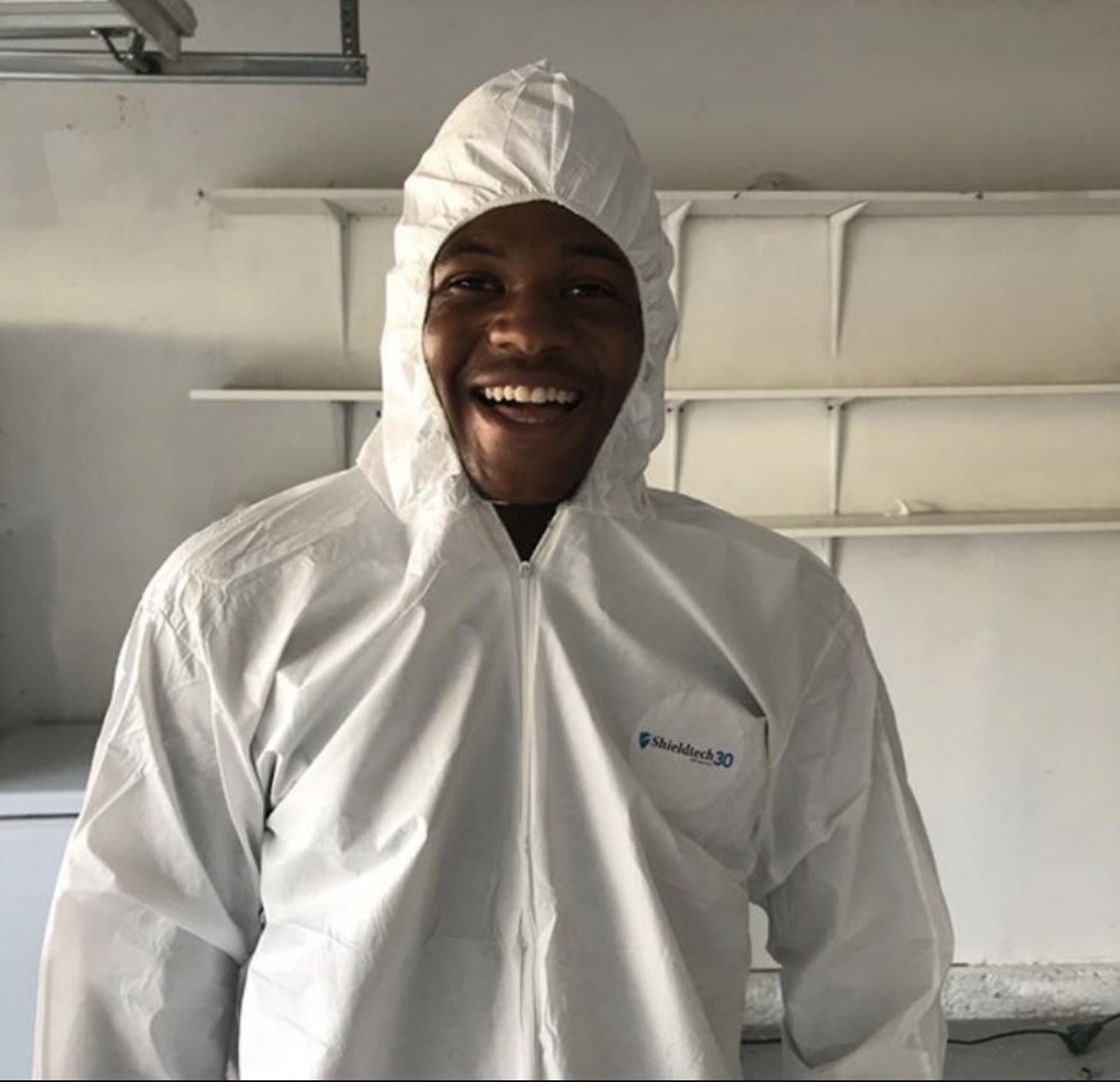
Every job starts with an evaluation, not a quote over the phone. We identify the likely source, map how far the odor has traveled, check for moisture or biological involvement, and note materials that will hold odor longest. Anything saturated, contaminated or structurally compromised is identified for removal, because chemistry cannot fix a material that has to leave. We then calculate treatment for the actual air volume and material load, seal or isolate areas as needed, and set HVAC handling so the system is treated rather than used as an escape path. Dwell time typically runs from four to twenty-four hours depending on severity and material porosity. After dwell, the space is ventilated and verified before release. You receive a clear scope in writing, including what we treat, what should be removed, and what re-entry looks like.
Safety, Vacancy and Re-Entry
People, pets and plants must be out of the treatment area for the duration of the service and the ventilation phase. This is a requirement, not a preference, and we explain it before scheduling so you can plan around it. We use controlled concentrations, contain the treatment area, and ventilate to safe levels before anyone returns. We do not use ozone generators. The EPA is explicit that ozone at concentrations considered safe for occupied spaces is not effective on odor, and at concentrations that do affect odor it is a respiratory irritant that can also degrade rubber, plastics and elastic materials in the property or vehicle. Chlorine dioxide gives us an effective treatment with a defined, verifiable re-entry standard.
What affects the price of decontamination services in Denver
Whole-home treatment typically runs $1 to $2 per square foot and vehicle treatment $400 to $750. Your exact price comes from our inspection, based on:
- Property size
- Square footage and the number of affected rooms set the scope of treatment.
- Odor source
- Smoke, urine, decomposition and moisture each need a different process.
- Severity and duration
- Years of exposure penetrate deeper than a single event.
- Affected materials
- Carpet pad, drywall, subfloor and insulation change what must be treated or removed.
- HVAC involvement
- Ductwork and returns that spread odor through the home add a treatment step.
- Structural penetration
- Odor inside framing or subfloor may need sealing after treatment.
Frequently asked questions
What is odor decontamination?+
It is a treatment that targets the odor-causing molecules themselves, in the air and inside the materials that absorbed them, rather than covering them with fragrance. We use chlorine dioxide as a gas, a liquid, or both, so porous materials like carpet, drywall and unsealed wood are reached along with the open air volume.
Is chlorine dioxide safe for home decontamination?+
Yes, when it is applied by trained technicians with controlled concentrations and a proper vacancy period. People, pets and plants must be out of the treatment area during service and ventilation. We verify levels before re-entry and give you clear instructions in advance. ClO2 is the same oxidant class used in municipal drinking water treatment and food safety applications, which is part of why it is preferred over ozone.
How is decontamination different from regular cleaning?+
Cleaning removes soil from surfaces you can reach. Decontamination treats what cleaning cannot reach, including odor compounds that migrated into wall cavities, carpet padding, subfloor, insulation and HVAC ductwork. Most odors that survive a deep clean survive because the source is inside the material, not on it.
Can decontamination remove every odor in one visit?+
Most jobs are resolved in a single treatment. Severe cases, heavily saturated materials, or odors with an active source such as ongoing moisture may require material removal, a source repair, or a second treatment. We tell you which category your job falls into during the evaluation rather than after.
Do you decontaminate vehicles and commercial spaces?+
Yes. Vehicles, vans, buses, RVs, boats and other enclosed spaces are treated with the same process scaled to the air volume, including the HVAC loop that recirculates the odor. For commercial properties we schedule around occupancy, including overnight and weekend work.
How much does decontamination cost in Denver?+
Whole-property work generally runs $1 to $2 per square foot, vehicles typically fall between $400 - $750, and commercial jobs are quoted on scope. Call (720) 263-6069 for exact pricing after an evaluation.
Related in Specialty
Schedule decontamination service in Denver
Honest quote, fast scheduling, meticulous work.
- Molecular-Level Results
- Eco-friendly, non-toxic, pet and kid safe
- Same-day response on most requests